Hanging out with the Maasai
A travel note about a heavily sanitised encounter with the Maasai in Tanzania
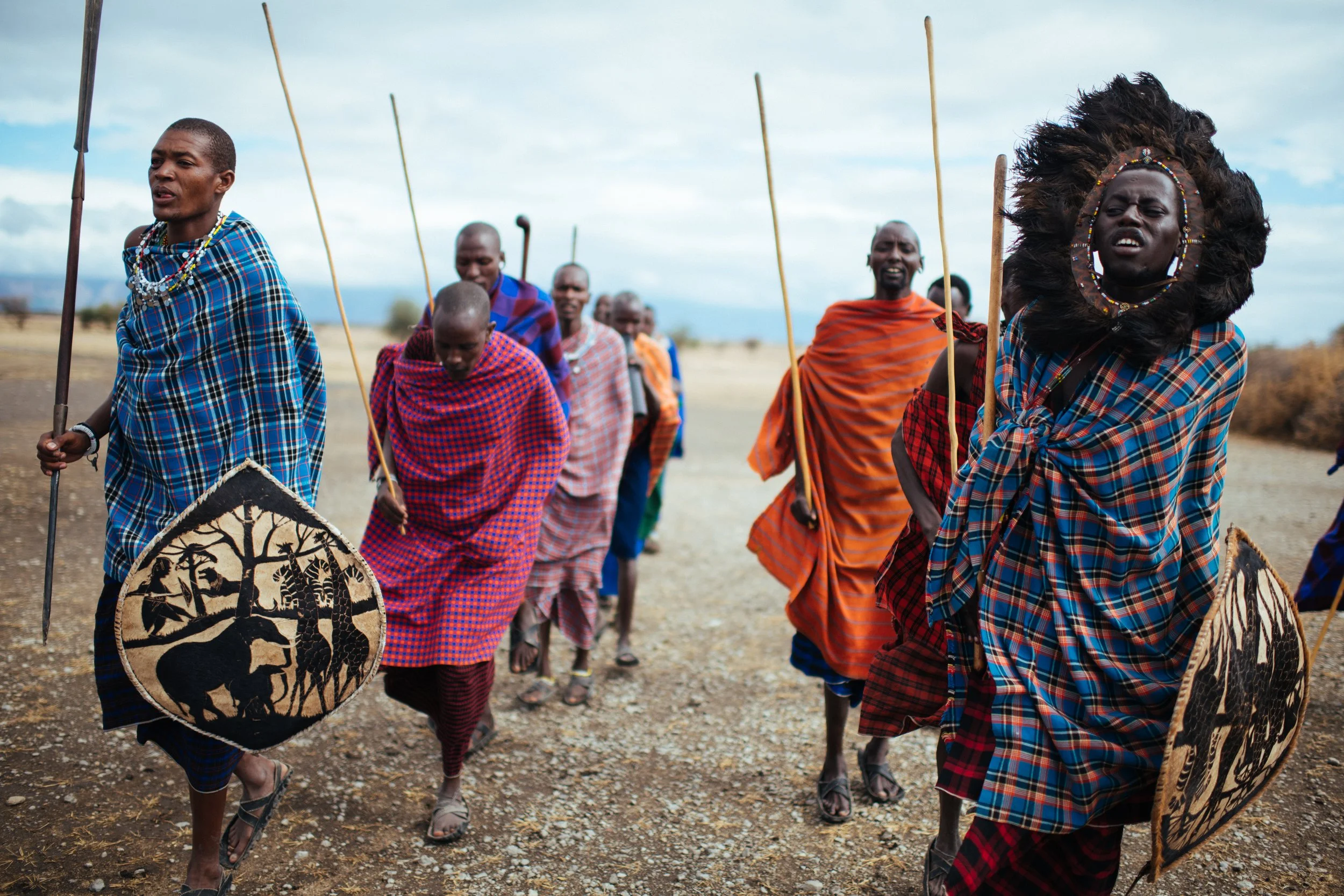
The first step is a welcome dance. The men gathered around wearing their hunting kit, spears included, as if they wanted to remind the tourists that this one tribe they are visiting is comprised by brave hunters. In fact, they made it clear from the first interactions that this is the same equipment that a Maasai man would use to hunt a lion. I remember thinking that, no matter how fierce and skilled any of those fellas’ looked, if push comes to shove, my money would be on the lion.
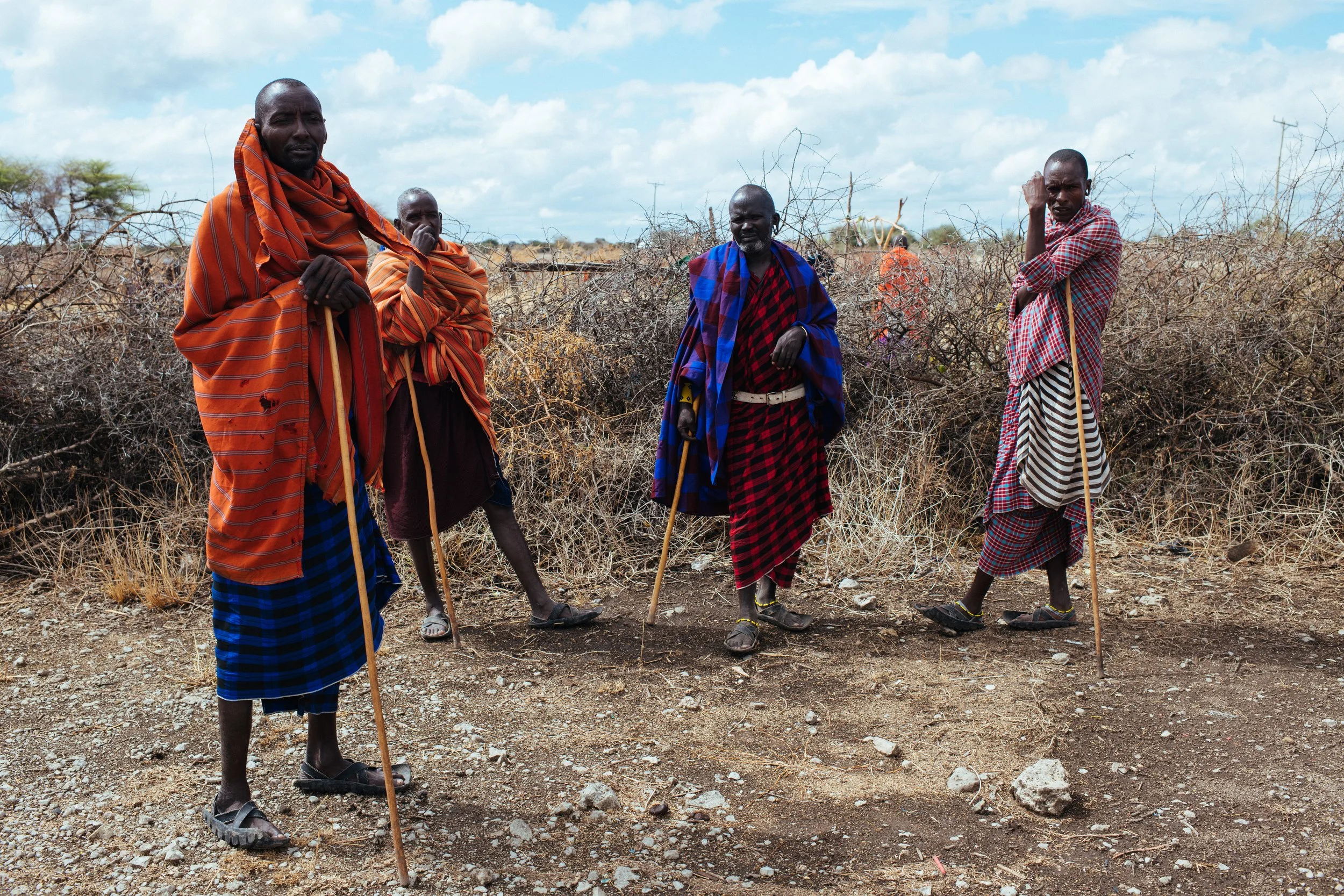
The second act took place after the tourists (I mean myself) were already fitted with the above-mentioned hunting gear. The men, all in formation, started jumping very high on their spots and signaled that it was my turn. I obliged, and a few of them started jumping much higher just in front. It turns out this is not just a dance, but an actual competition: Adumu, the man who jumps the highest will be able to take a wife.
If only they knew that many an eternal bachelor “in the west” (such as myself) would get an immediate cramp after the naming of the prize.
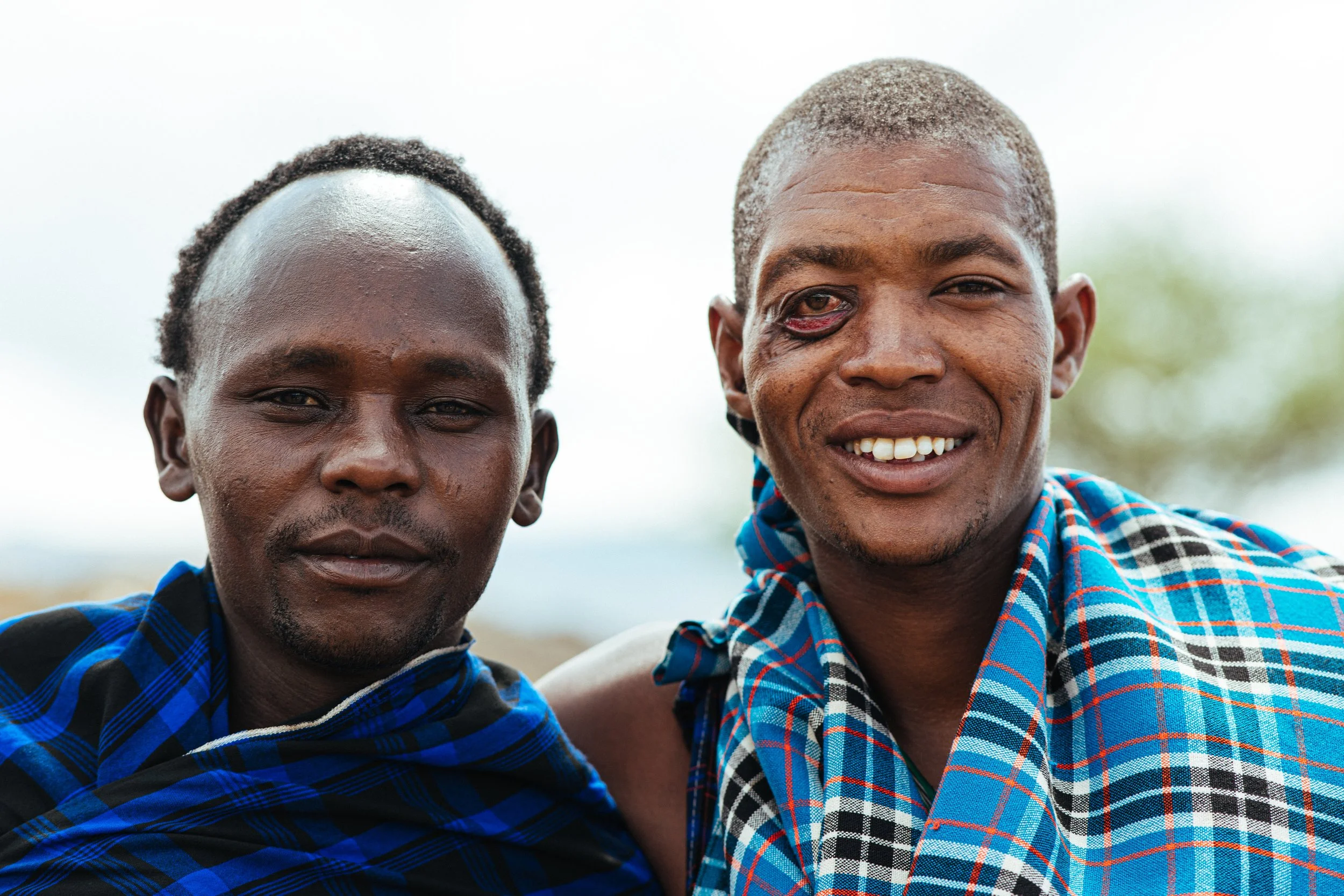
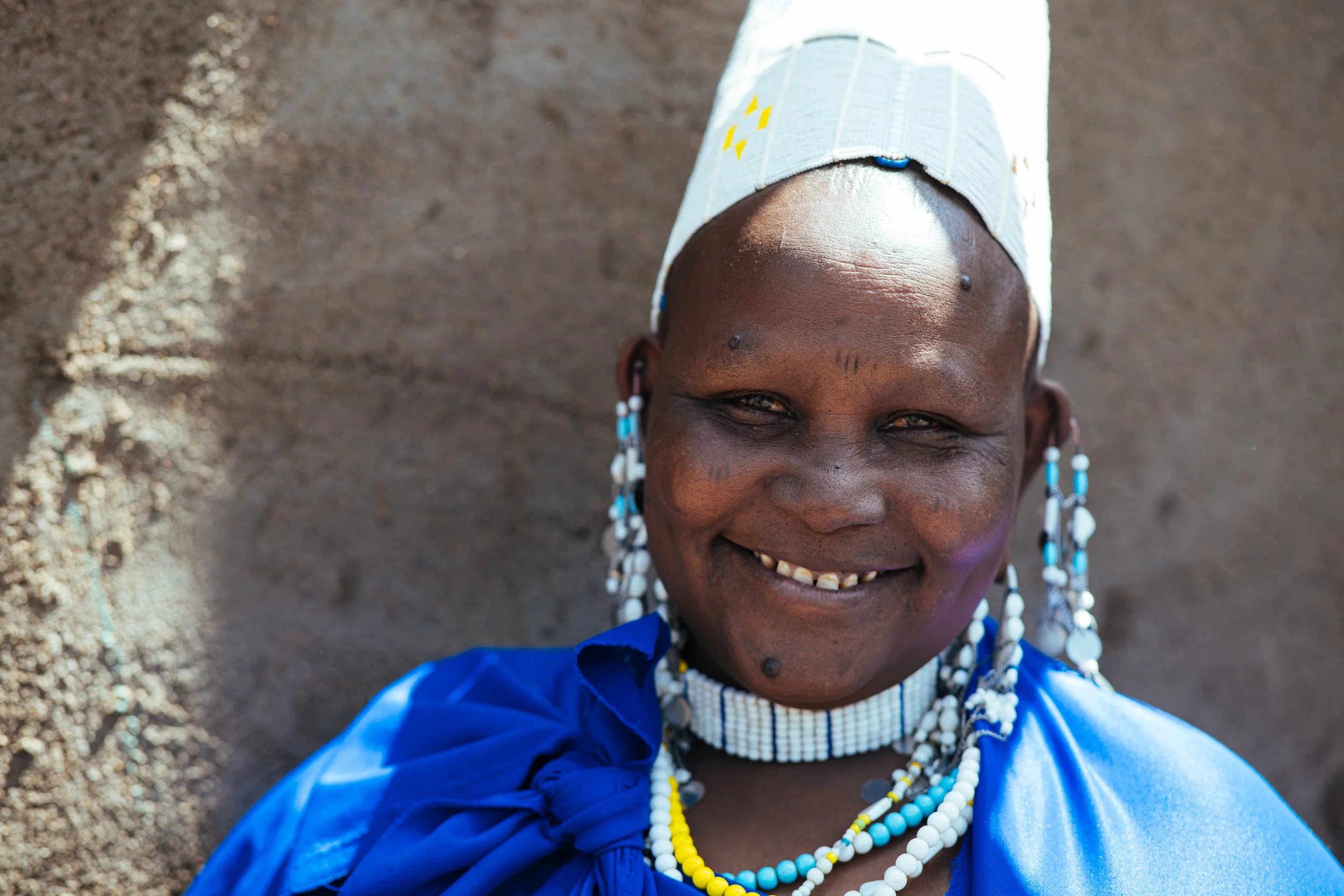
Past the jumping (my modest hops didn’t get me a new wife, of course) we get to meet the gang. Only one of them speaks english but they are very welcoming and very curious about the camera. One of them had a recent accident in his eye, or so I gather. They all have this unfathomable honesty in their faces and expressions. It’s the kind of serenity that you get from living in the wild I suppose, the confidence of being a master of the elements and the surrounding nature. We don’t get that in cities.
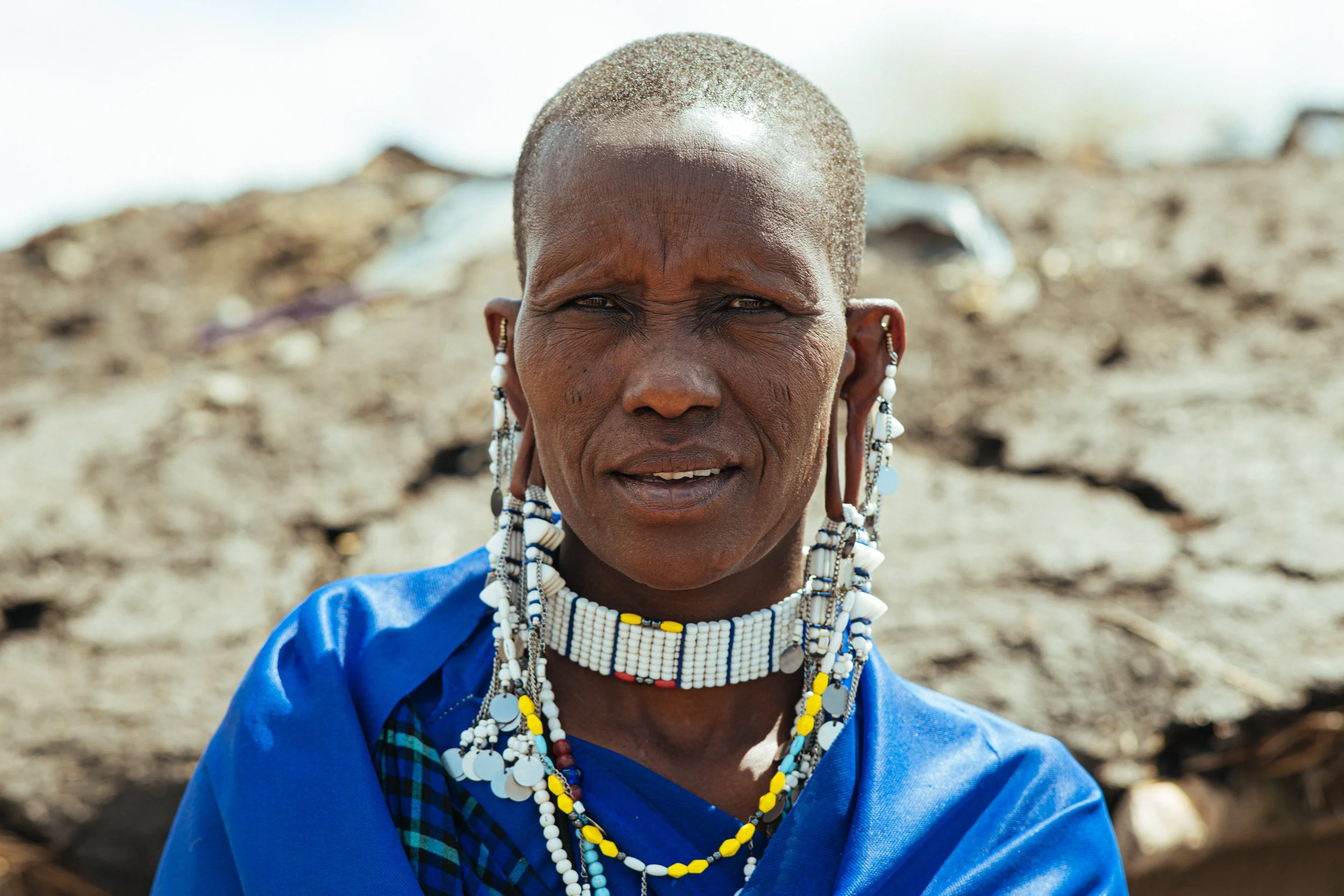
One of my favorite portraits in the series. Speaking of honest faces.
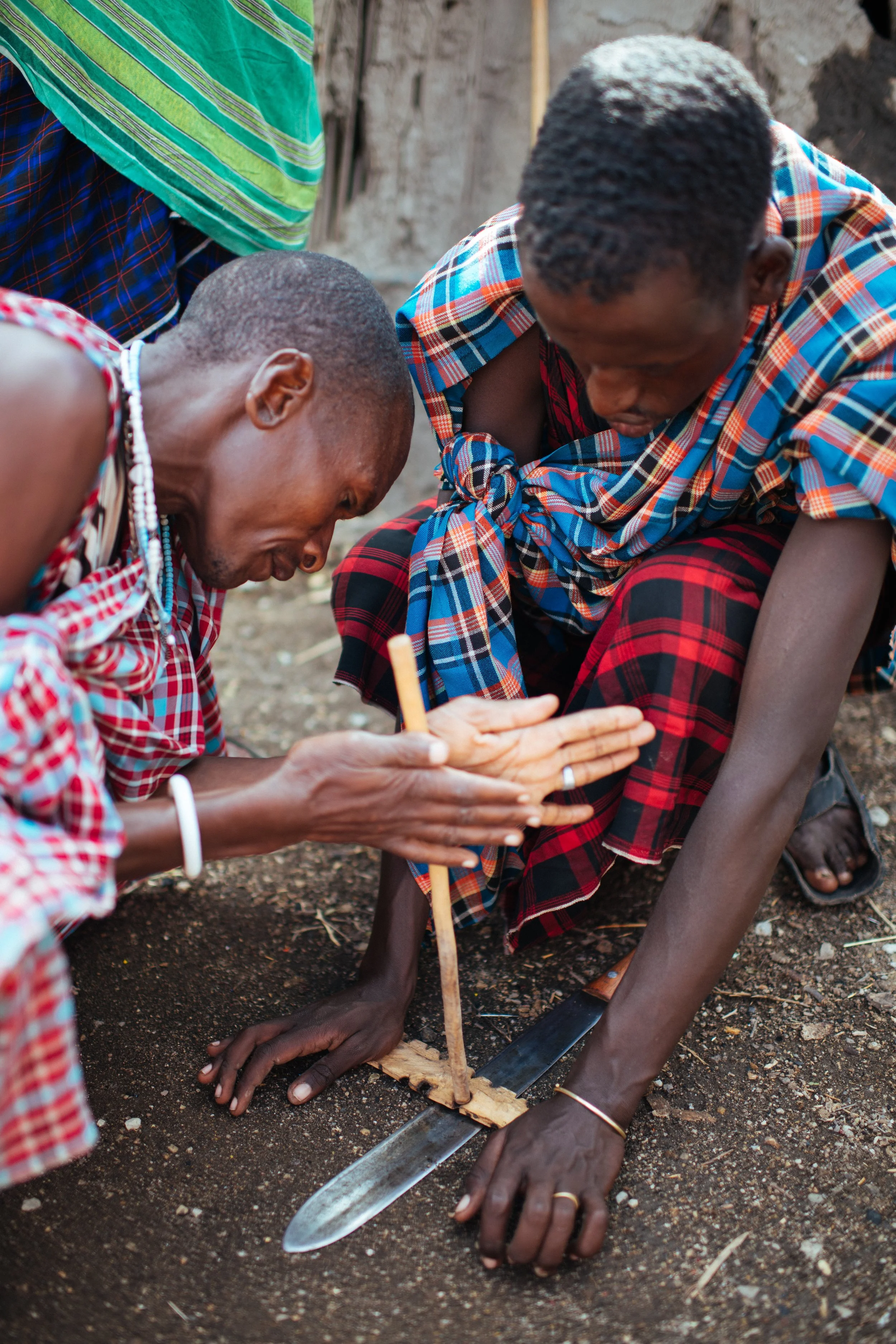
Of course, one of the main feats on display for the tourists is the way they make fire. I suppose that is impressive enough, but it strikes me as a rather unimaginative way to make the point that this is a proud nomadic tribe that has resisted the temptations of urban life and stubbornly stuck to their traditions. Going into one of their houses -an Inkajijik- was more telling: A very small, dim interior with a small fire in the middle, to repel the mosquitoes. It was impossible to talk without succumbing to a fit of spasmodic coughing. That’s how they live.
In fact, the main thing you hear about the Maasai all over Tanzania is that certain clans or subgroups amass a great fortune in the form of livestock yet refuse to buy the comfort afforded by brick and mortar houses. This contrasts with the seemingly growing ambition of buying a house and sending the kids to great schools that I seem to hear from middle-class men all over Africa nowadays.
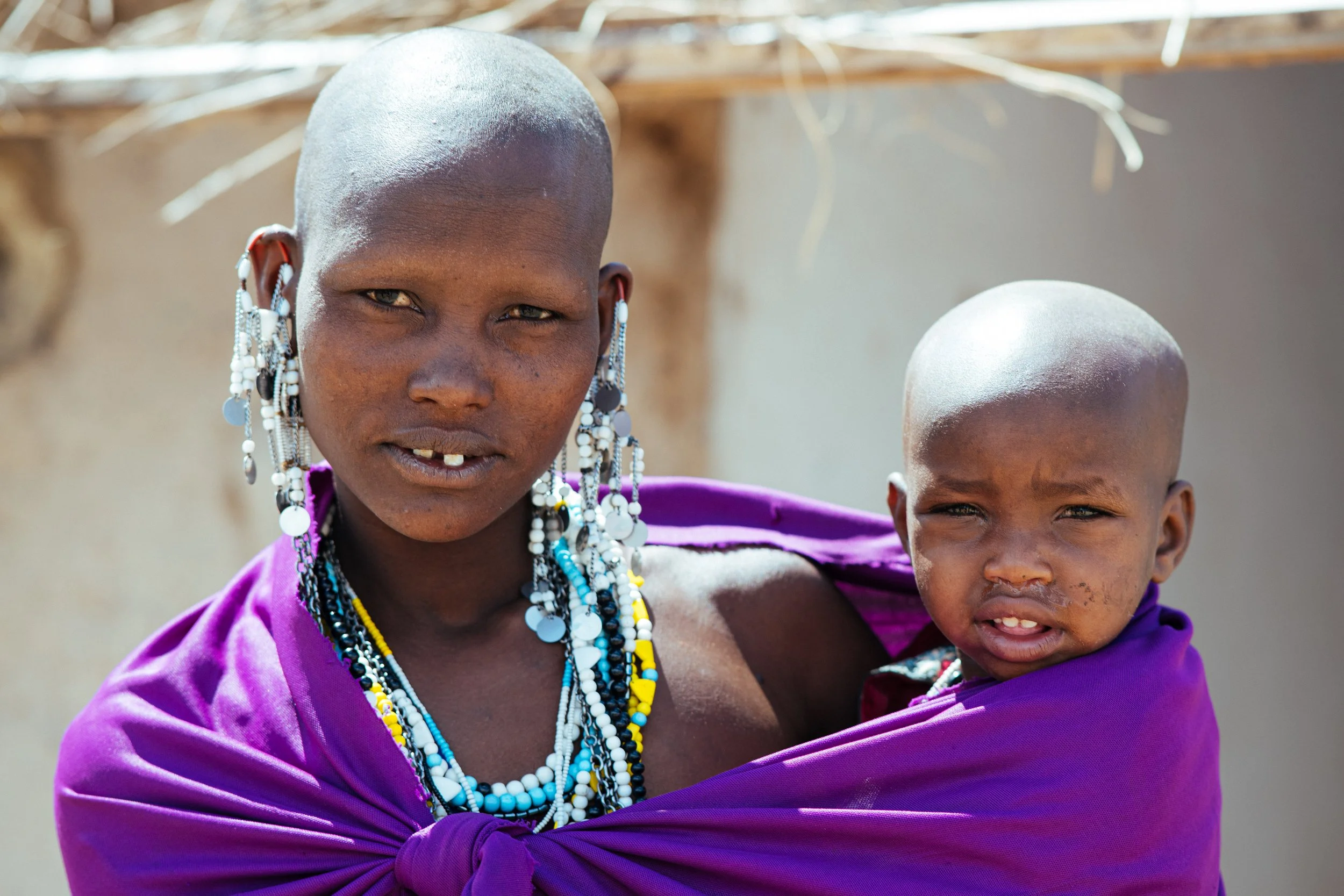
The pastoral obsession seems to come from heaven. A foundational myth of the Maasai is that Enkai, their God, lowered all the cattle in the world from heaven on “a leather thong” specifically for the Maasai. Cattle was created for them and it all belongs to them, it is the only true currency. Dowries and fines for breaching tribal law or settling disputes are paid in livestock. Everything that comes from the cows is used in some way: They consume their blood for protein, the hides for bedding, the dung for building houses and the urine for certain medicinal purposes. Cows have their own names based on their color patterns and/or the circumstances of their birth and it is said that some herders can recognise each of them by their face and their lowing sound. A guy my age without a large herd would have no hopes of wooing a woman or starting a family. They would look at me with pity.
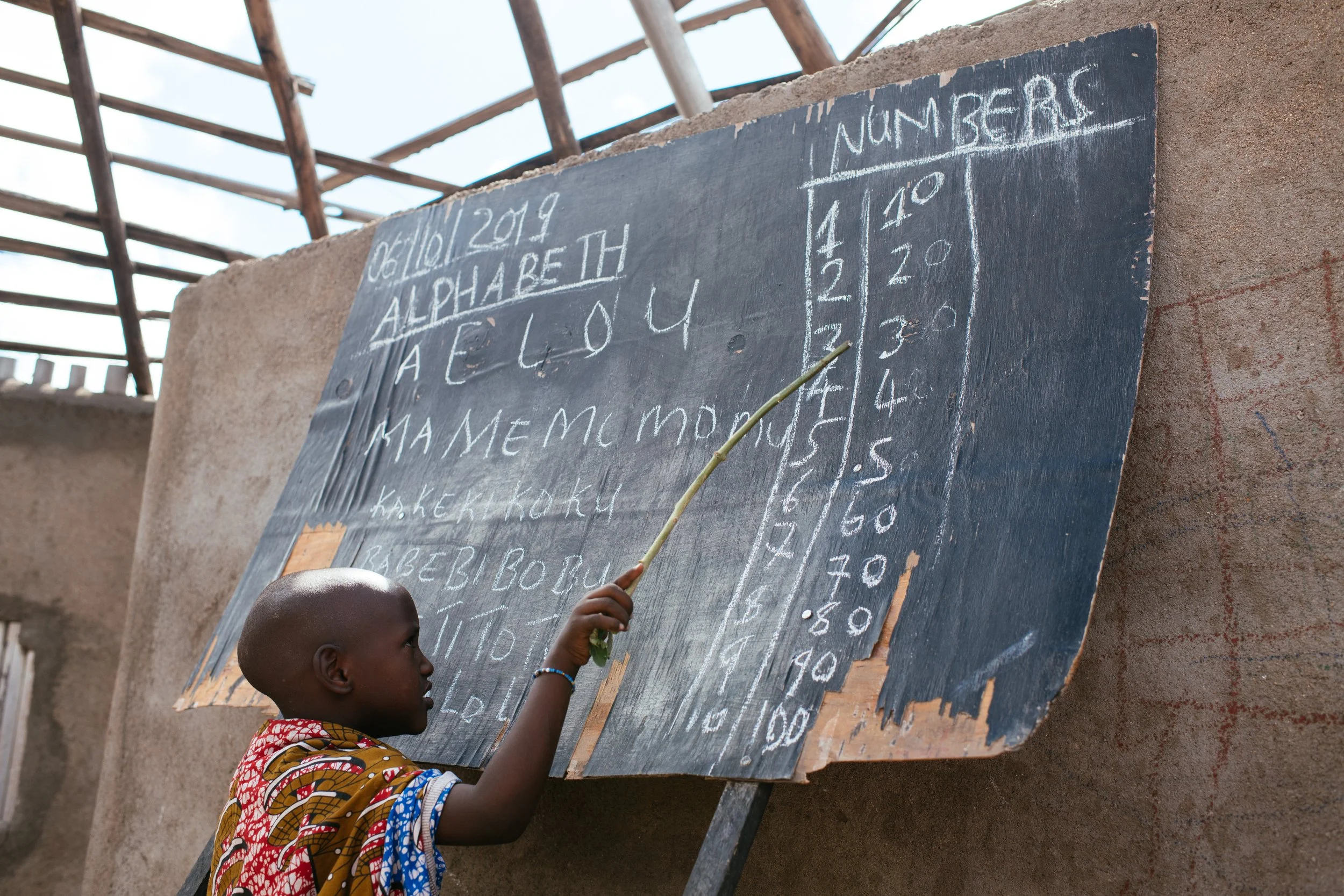
The next step is a visit to the school. The teacher, wearing a hat that seems to identify her as the person in charge, gives a clear signal to one of the kids, who starts reciting numbers while pointing to them at full speed in front of a wrecked chalkboard. The whole thing feels extremely rehearsed: As if they have done it about a million times for all kinds of white visitors. I suppose that the display betrays some unresolved anxiety between sticking to their traditional ways and preparing their children for the world beyond the Boma, beyond the village. Well, the lady in the hat explained that she takes care of the kids while the adults are at work, so no matter how make-believe this wrecked little school looks like to me, it seems that this is “the care economy” in action. Pooled care work if you will, for the whole community.
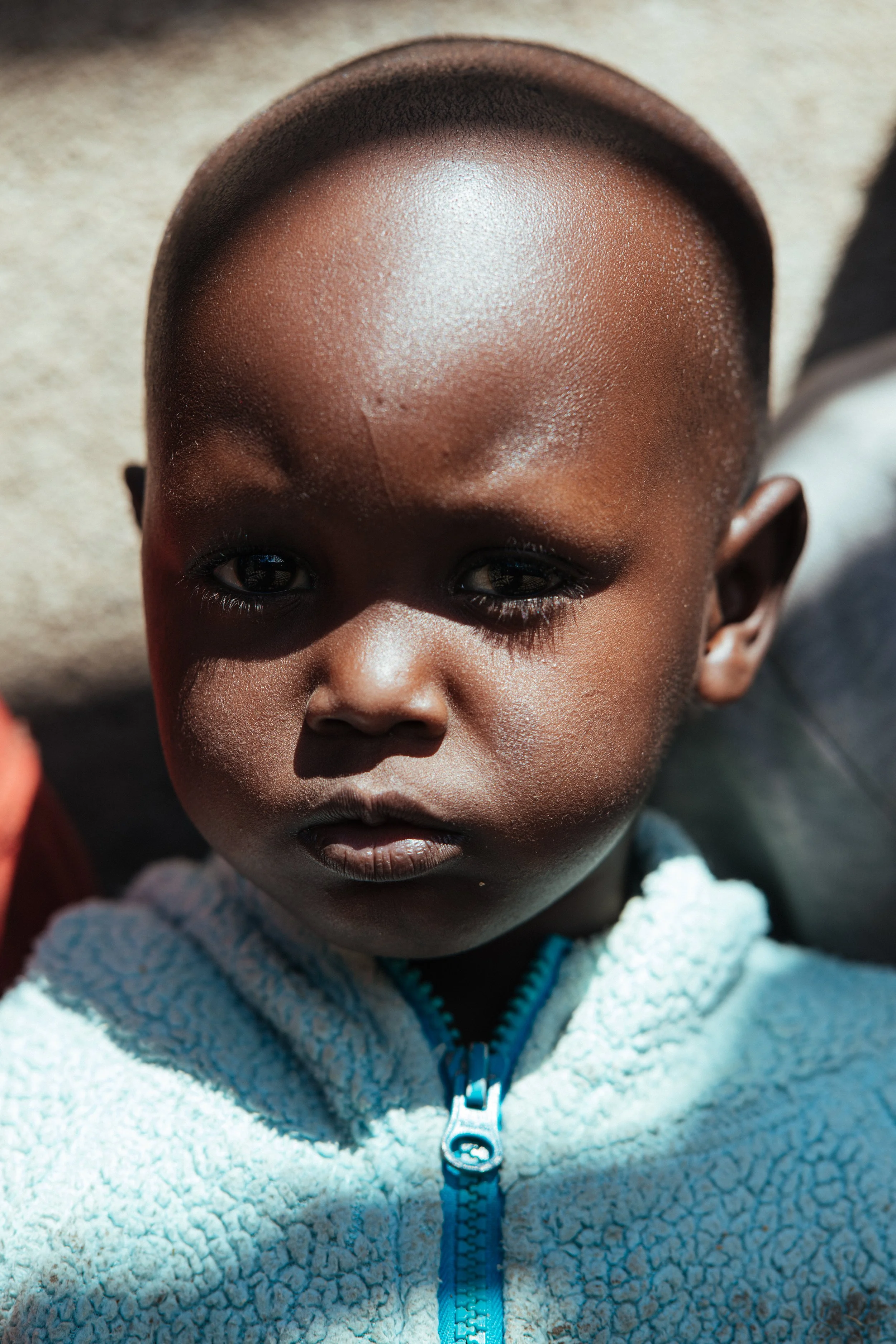
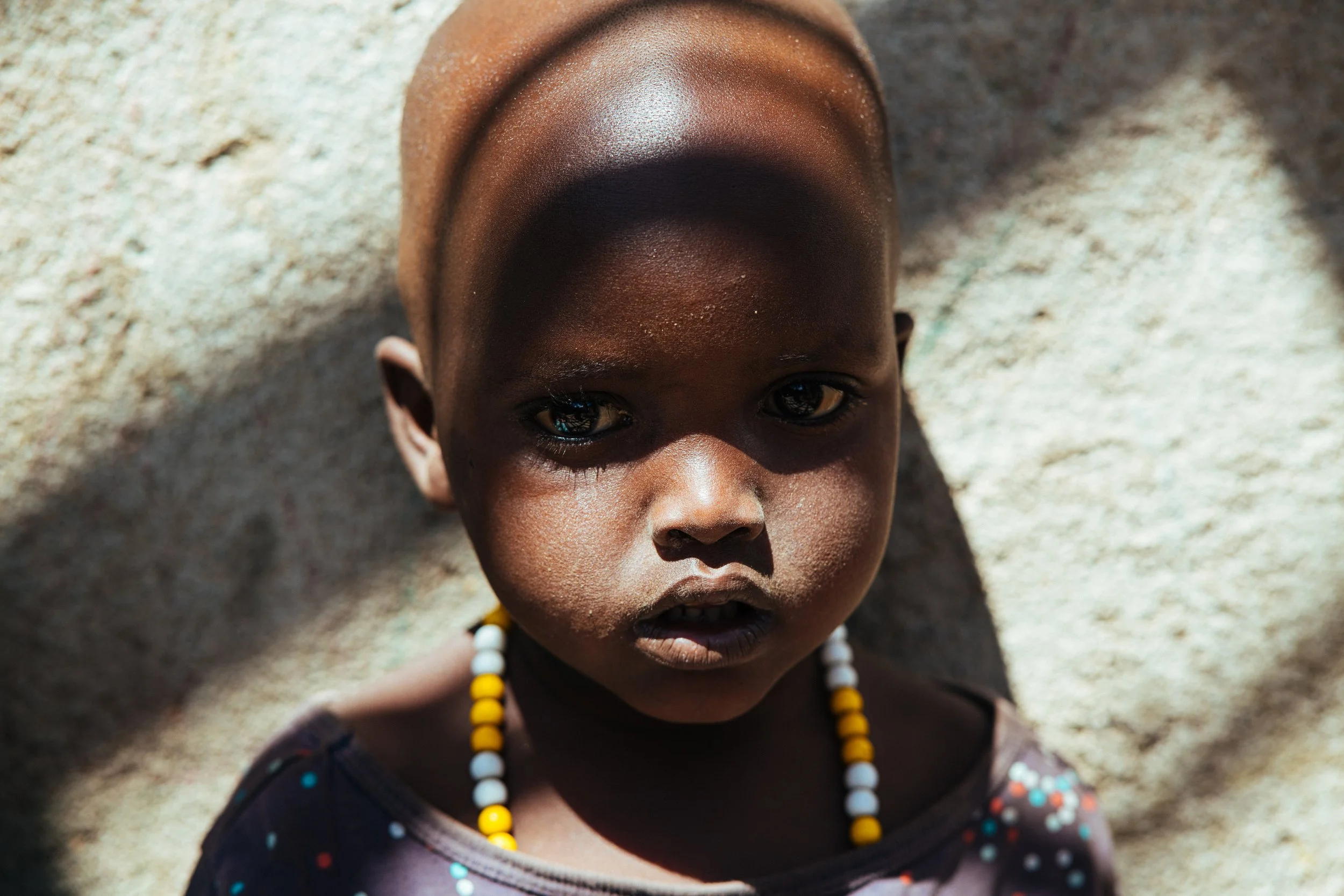
The real spectacle is the children. Maasai kids tend to have astonishingly beautiful eyes, so wonderfully delineated in black that one wonders whether someone put eyeliner on them. The lady in the hat seemed acutely aware of the fascination that the kids induce in the tourists and pointed to the tiniest and cutest of them all as she said, in loud English, that we could take her with us if we wanted to. The little one batted her big eyelashes and started to cry inconsolably. That bad was the prospect of leaving with us random people. So much for your white saviour’s complex.
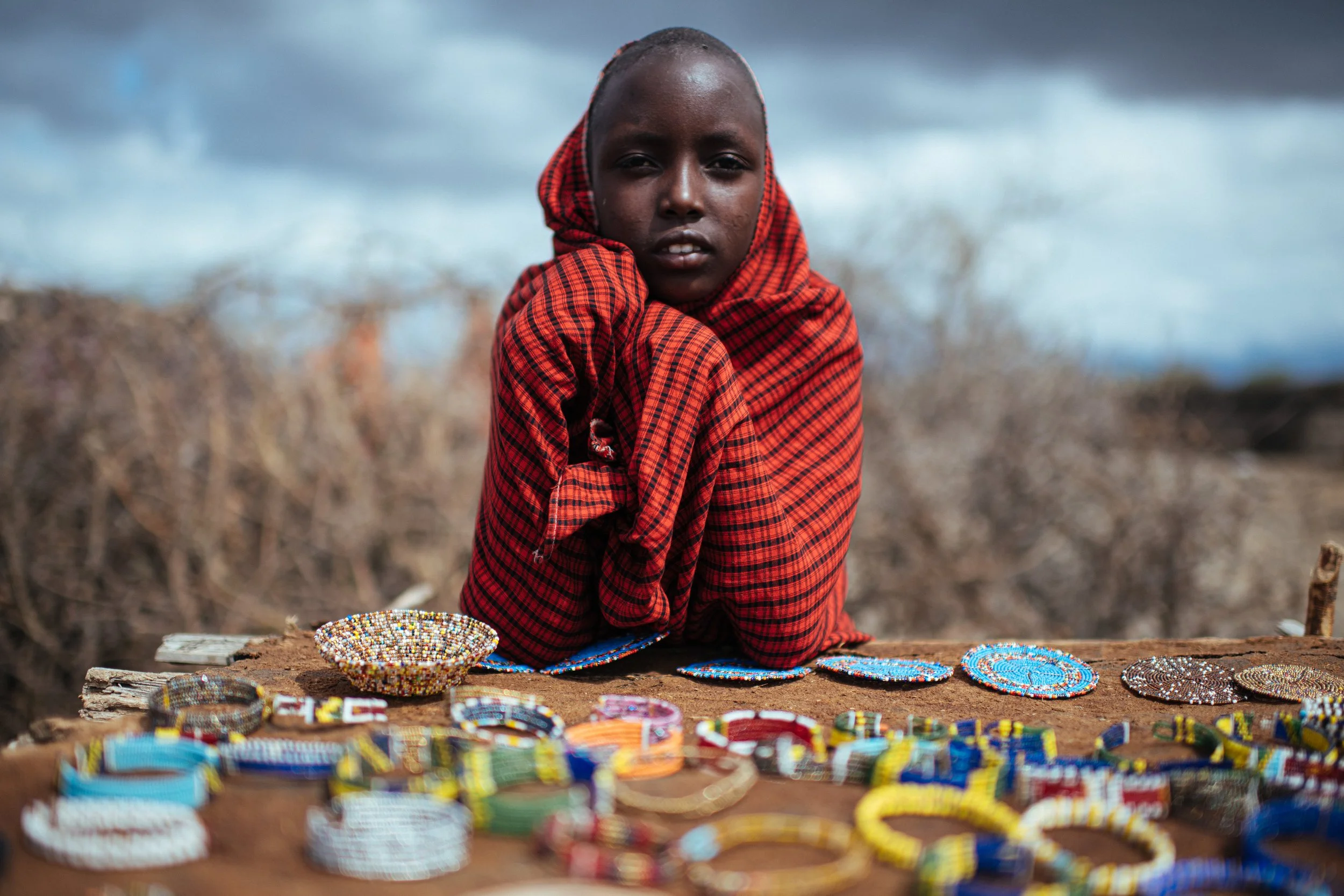
The last act was an exit through the gift shop. They couldn’t let the tourists go without showing them the handcraft, all allegedly produced by the tribeswomen of this Boma, all excruciatingly overpriced. The figurine of a giraffe, now laying somewhere on my mom’s living room, cost me the equivalent of around 50 dollars American. I suppose the ask prices were subject to haggling, but the notion of haggling in your host’s house while trying to overcome the language barrier seemed vulgar and exhausting. What started with a basket full of handcraft resulted in a single purchase.
That was it for a sanitised visit to the Maasai, all packaged in bite-size clichés for the tourists. The community shop interaction made me wonder whether I had taken much away apart from a wooden giraffe. I suppose I didn’t learn much about them after all, but at least there’s all the pictures.
The full album of the visit is available here.